


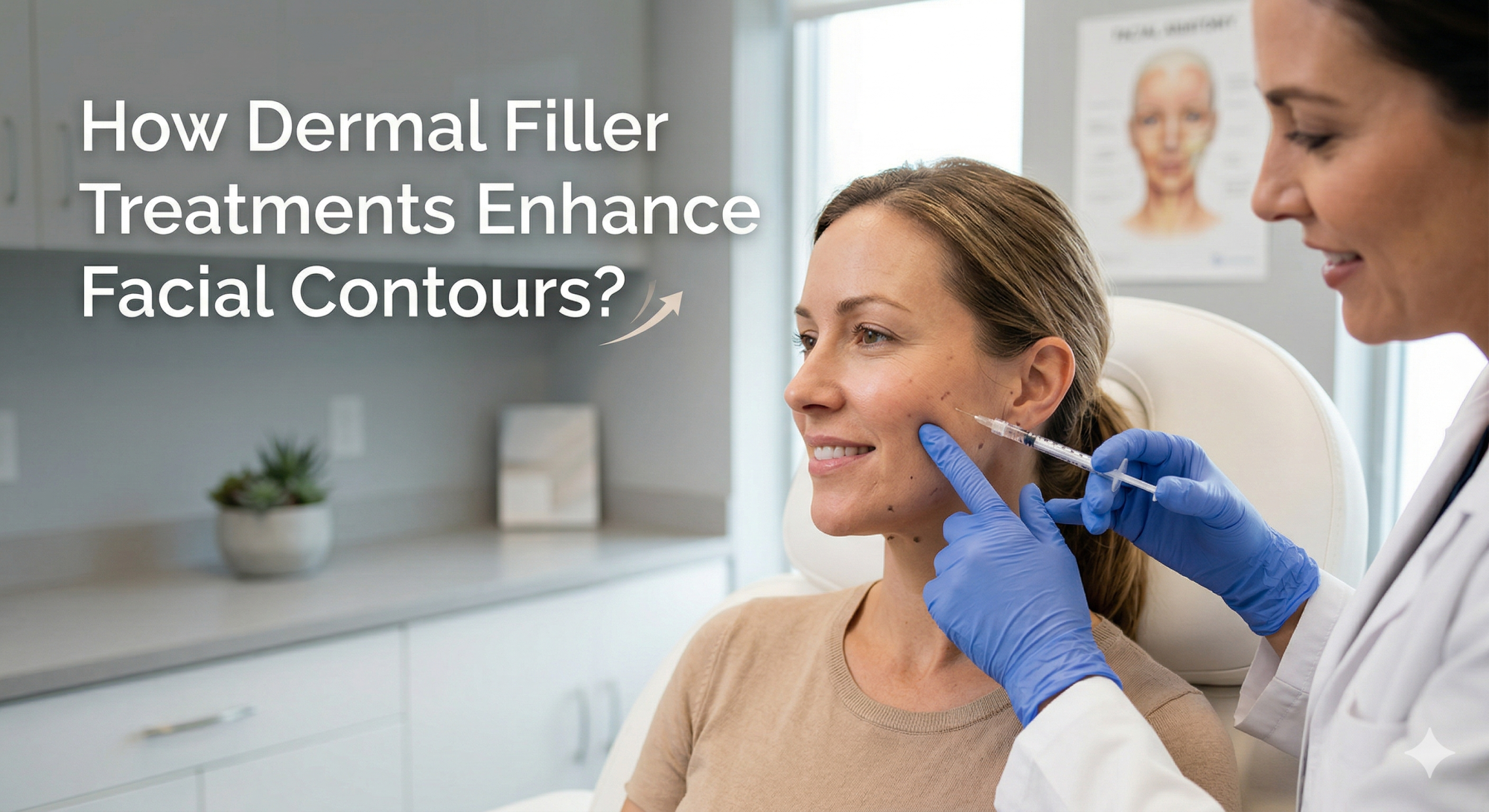
With the growing demand for non-surgical cosmetic enhancements, dermal fillers have emerged as a popular solution for individuals looking to improve their facial contours without the downtime associated with surgery. These treatments offer a relatively quick and minimally invasive path to achieving more defined facial features, a rejuvenated appearance, or restoring lost volume due to aging processes.
The allure of dermal fillers lies in their ability to sculpt the face subtly and naturally. They can highlight cheekbones, smooth nasolabial folds, plump thin lips, and even reshape the chin or jawline. If you are intrigued about how these treatments can enhance your facial aesthetics, keep reading to explore their transformative potential.
Exploring Dermal Filler Treatments for Facial Enhancement
Dermal fillers are designed to mimic the body’s own hyaluronic acid, providing volume and elasticity where it’s needed most. When injected beneath the skin, these gels can enhance shallow contours or soften facial creases and wrinkles, offering a refreshed look that can last several months to years, depending on the filler used.
The variety of fillers available today allows practitioners to tailor treatments to each individual’s facial structure and aesthetic goals. From addressing volume loss in cheeks to defining the lip border, fillers can be used strategically to create balance and symmetry. For those seeking more information, consider exploring dermal filler at Anne Therese.
An essential element in getting the best result is choosing an experienced provider. They should possess an in-depth understanding of facial anatomy and the artistry required to achieve natural-looking enhancements. Thorough consultations before treatment will ensure that both client and provider are aligned in terms of expectations and desired outcomes.
How Dermal Fillers Work to Sculpt Facial Features
Dermal fillers perform their magic through a simple yet effective principle: they fill in spaces where the skin has lost volume or elasticity. This action not only smooths out wrinkles but also allows for contouring, enabling the practitioner to sculpt areas like the cheeks, jawline, or even the nose in non-surgical rhinoplasty.
The process begins with a gel-like substance, typically made of hyaluronic acid, which integrates into the skin and binds with water molecules to add fullness. This seamless integration means that outcomes look and feel natural, moving harmoniously with facial expressions. Neuromodulators like Botox can sometimes be used in tandem to enhance the filler’s effect by relaxing specific muscles and preventing dynamic wrinkles from deepening.
Before deciding to undergo a dermal filler treatment, it’s advisable to discuss potential risks and benefits with a healthcare provider. While these treatments are generally safe, understanding the recovery process and any possible side effects ensures informed decision-making and proper post-procedure care.
Addressing Common Concerns with Dermal Filler Procedures
While dermal fillers are widely considered safe, patients may have concerns about pain, downtime, and long-term effects. Modern fillers often contain lidocaine, an anesthetic that helps minimize discomfort during the injection process. Furthermore, downtime is typically minimal, with most people returning to daily activities shortly after treatment.
Another common concern is the longevity of the results and the potential for the filler to migrate or look unnatural over time. High-quality fillers, when administered correctly, have a low risk of migration, and the results can last from six months to over a year before a touch-up is required. The gradual breakdown of the filler also allows patients to adjust the volume and shape during subsequent treatments.
To mitigate unease, patients should research their chosen clinic’s reputation and ask to see before-and-after photos of actual clients. Ensuring clarity on what to expect during and after the procedure can also relieve anxiety. A detailed discussion with the practitioner about the specific product’s safety profile and efficacy should be part of the pre-treatment consultation.
Maximizing Results: Combining Dermal Fillers with Other Cosmetic Treatments


To further enhance the effects of dermal fillers, combining them with other cosmetic procedures can lead to a more comprehensive rejuvenation. For example, pairing fillers with skin resurfacing treatments like chemical peels or laser therapy can improve skin texture and tone, while the fillers address volume and shape.
Addition of treatments such as anti-wrinkle injections can also complement the effect of dermal fillers. While fillers add volume, these injections relax the muscles that contribute to dynamic wrinkles, resulting in a smoother, more youthful complexion. The provider can orchestrate these combinations to address multiple concerns in one treatment plan.
Every patient has unique features and individual aesthetic goals, so combining treatments should always be personalized. During a thorough consultation, a skilled practitioner can create a multi-faceted approach that considers the patient’s specific needs and desires, along with the unique characteristics of their skin and facial structure.
Ultimately, dermal filler treatments represent a versatile and powerful tool in the realm of cosmetic enhancements. They offer a less invasive alternative to surgery with the added benefit of immediate results and minimal recovery time. By understanding how they work, addressing common concerns, and maximizing results through combination treatments, individuals can achieve a refreshed, well-defined appearance that reflects their inner vitality.